
2023 ACI Houston Chapter Concrete Symposium Speakers
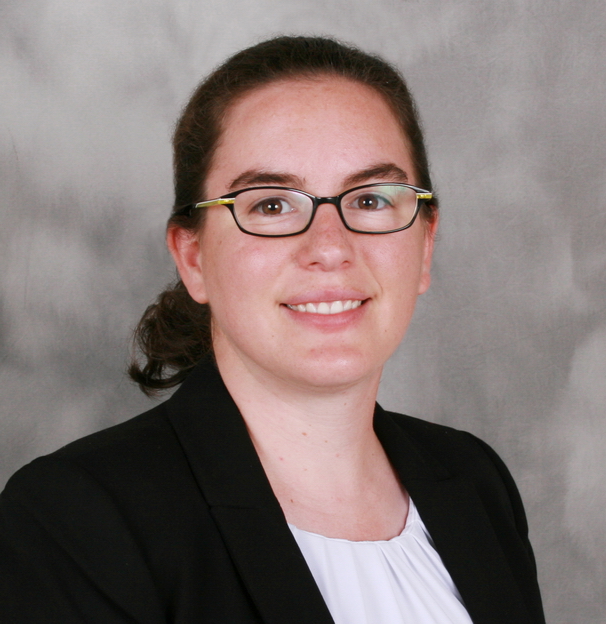
Elizabeth Wagner, Ph.D., P.E.
Materials Engineer


David Buzzelli
Vice President

PerspecTIves on Type IL Cements: A Contractor’s Experience and the Science Behind It
An industry shift from ASTM C150 Type I/II cements to ASTM C595 Type IL cements is occurring nationally, driven largely by initiatives aimed at reducing the carbon footprint of reinforced concrete infrastructure, and several cement suppliers in Texas have already made the switch. Type IL cements, also called portland limestone cements, consist of an ordinary portland cement (e.g., Type I cement) either blended or interground with a fine limestone powder up to 15 percent by weight. Several studies have been conducted over the past two decades comparing the performance of Type I/II cements to Type IL cements, and while these studies have consistently shown that Type IL cements can be produced in such a way as to provide “equivalent” performance to Type I/II cements with respect to hardened properes and durability characteristics, more recent experience with Type IL cements in field applications has been more varied - especially when it comes to the plastic characteristics of the concrete. In this presentation, a materials engineer and contractor will discuss the science behind Type IL cements; how and why they can perform similar to Type I/II cements in certain aspects and differently in other aspects; and what should be considered when specifying, producing, placing, or finishing concrete produced with Type IL cements.
Speaker Bios
Elizabeth I. Wagner, Ph.D., P.E. is a materials engineer with Wiss, Janney, Elstner Associates, Inc. Her experience and expertise include durability of concrete materials, service life analysis of reinforced concrete structures, and the development and testing of construction materials. Dr. Wagner has been involved in a variety of projects involving field, laboratory, and analytical investigations of reinforced concrete materials and structures, including developing thermal control plans and troubleshooting problems related to early temperature rise. She is a licensed professional engineer in Illinois and is a member of ACI Committees 201, Durability, 207, Mass Concrete, and 236, Materials Science.
David Buzzelli is Vice president of Texas A&M Concrete. He has over 30 years in the construction industry in all phases of construction, estimating and project management of concrete construction. He has been involved in design-build projects with architects, engineers and general contractors for jobs ranging from $500,000 to $20 Million.
Mr. Buzzelli is the current Chair of ACI 640 committee, a Voting Member of ACI 117, ACI 330, ACI 360 and ACI 550 committees, and an associate member of ACI 551 committee. Current board member and former president of ACI Houston Chapter. He is a certified examiner for ACI to issue Flatwork Finisher and Commercial Industrial Slab Finisher Certificates.
He has received the Golden Trowel Award in 2007 for Preferred Freezer La Porte - Directional Traffic Floor; and the Golden Trowel Award 2009 (Past World Record) for Spring ISD Nutrition – Directional Traffic Floor.
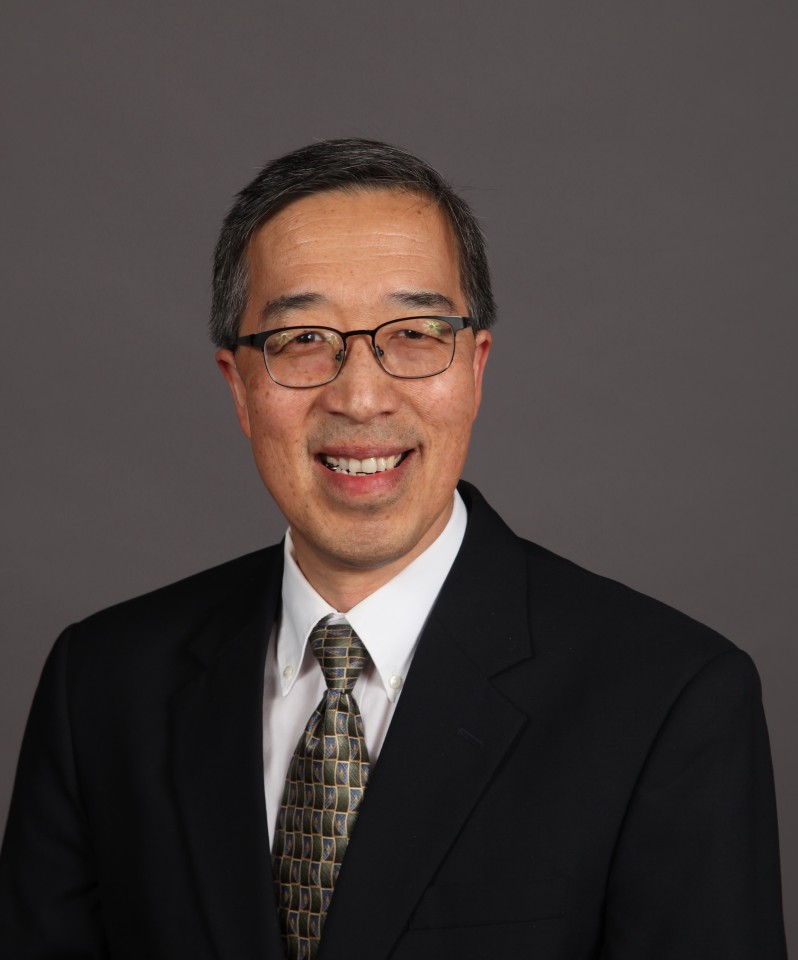
Michael Lee, PE
Structural Engineer
Three Stadiums, Three OUtcomes
Between 2012 and 2019, three school districts in the Dallas area constructed large athletic facilities to host football, soccer, band, and other community-wide events. The first facility was used for two seasons before it closed for 16 months due to various concerns with the structure. The second facility has been used without interruption; however, cracking in the concourse needed to be remediated the year after it opened. The third facility has been in service without concern regarding the structure. This presentation will discuss a few of the challenges faced by designers, contractors, and others as the concerns at the first two facilities were addressed. A significant portion of the presentation will pertain to exposed concrete. The presentation will be technically focused and include recommendations for best practices.
Speaker Bio
Michael W. Lee, P.E., M. ASCE, is a structural engineer with 40 years of experience in the design, analysis, and investigation of buildings and other structures. He has a B.S. in Architectural Engineering and M.S. in Engineering, both from the University of Texas at Austin. Mr. Lee is a Senior Principal at Wiss, Janney, Elstner Associates, Inc. (WJE), where his practice focuses on assessment and remediation of structures. Prior to WJE, he was employed by structural design firms based in San Antonio and Dallas. He is an active member of ACI Committees 117, 437, 440, and 562; PCI parking garage and standards committees; and ASCE/SEI 7-22. He is a past president of SEAoT Dallas Chapter and has served in many roles for the local and state organizations.
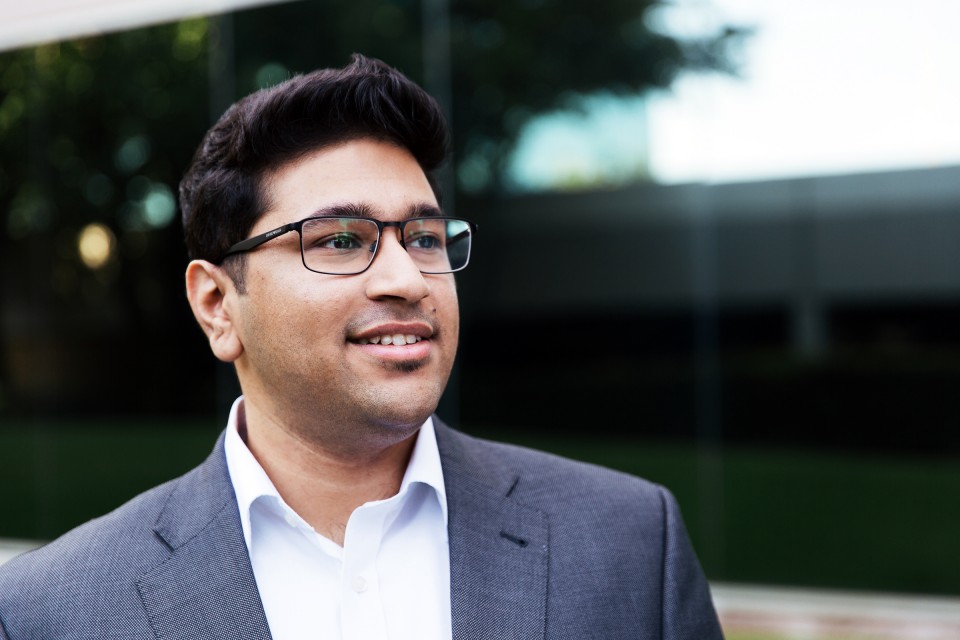
Anirudh Goel, PE
Consultant
Jonathan Warshaw, PE
Restoration Consultant

Emergency Response for Concrete Structures
Concrete structures can lose their structural integrity due to fires, vehicular impacts, deterioration, and construction/design defects among other items. Responding to these types of situations requires knowledge and expertise beyond those taught in a classroom environment during formal engineering education. They demand timely coordination between Contractors and Engineers to stabilize and repair such buildings. This presentation will discuss advice on Structural Engineering Emergency Response (SEER) services, the non-destructive evaluation (NDE) toolbox at a structural engineer’s disposal, and approaches to providing emergency response services through a variety of case studies for concrete structures.
Speaker Bio
Anirudh Goel, PE is a Consultant in Walker Consultants’ Houston office. Ani received his BE and ME in Civil Engineering from Manipal University, India and Texas A&M University at College Station, respectively. Anirudh has both international and domestic exposure in projects related to forensics and restoration, new-design, and litigation. He performs assessments, non-destructive testing, structural evaluation, feasibility studies and design of repairs for a variety of structural, architectural, and material distress related projects. Ani has over ten years of experience in the field of structural engineering with forays in the oil and gas industry and traditional structural engineering consultancies. He is currently a licensed PE in the state of Texas.
Jonathan Warshaw, PE is a Restoration Consultant in the Houston office. Jonathan's background has included restoration projects, forensic investigations, and new design work. Services provided on these projects include condition assessment, failure investigation, load testing, non-destructive testing, structural analysis, repair design, and construction administration services among others. Jonathan's over 15 years of design and forensic experience have included various structure types such as medical facilities, high-rise buildings, industrial facilities, residential buildings, commercial buildings, and retaining walls. The structures have utilized a variety of materials including concrete, masonry, structural steel, and wood. Jonathan is a licensed PE in multiple states.
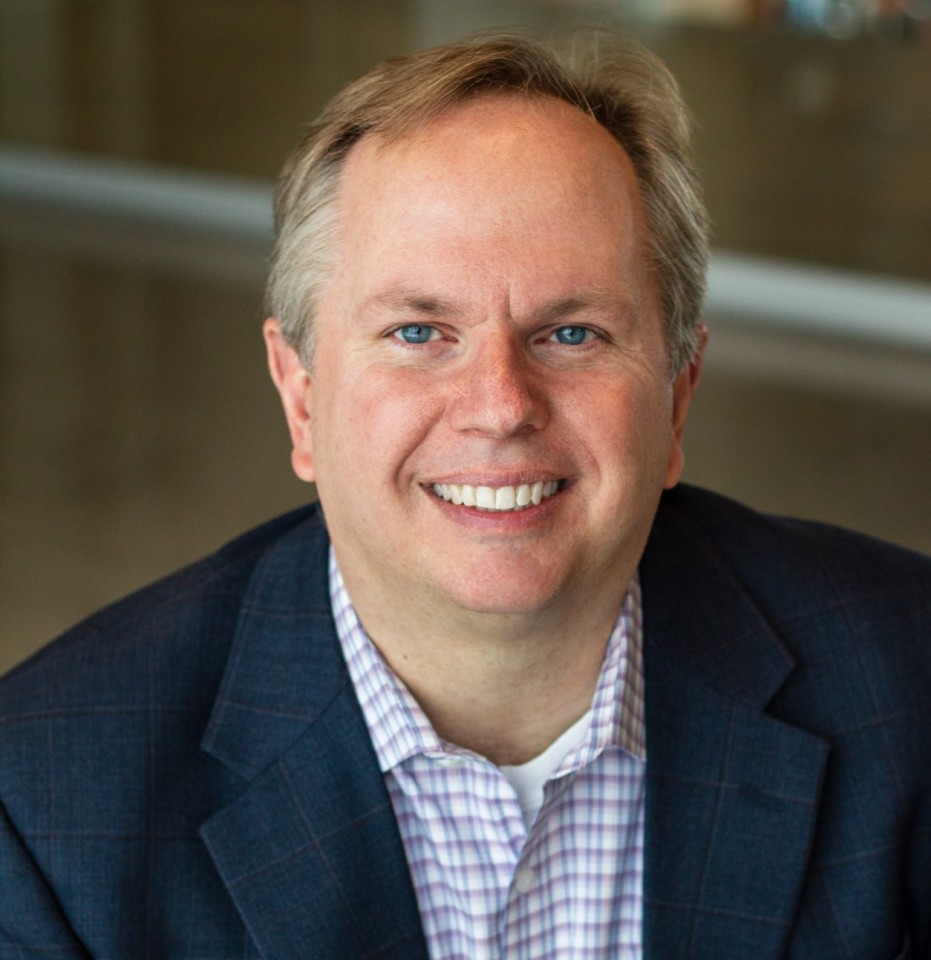
Mike Yost
Senior Vice President, chief Legal Officer and Corporate Secretary
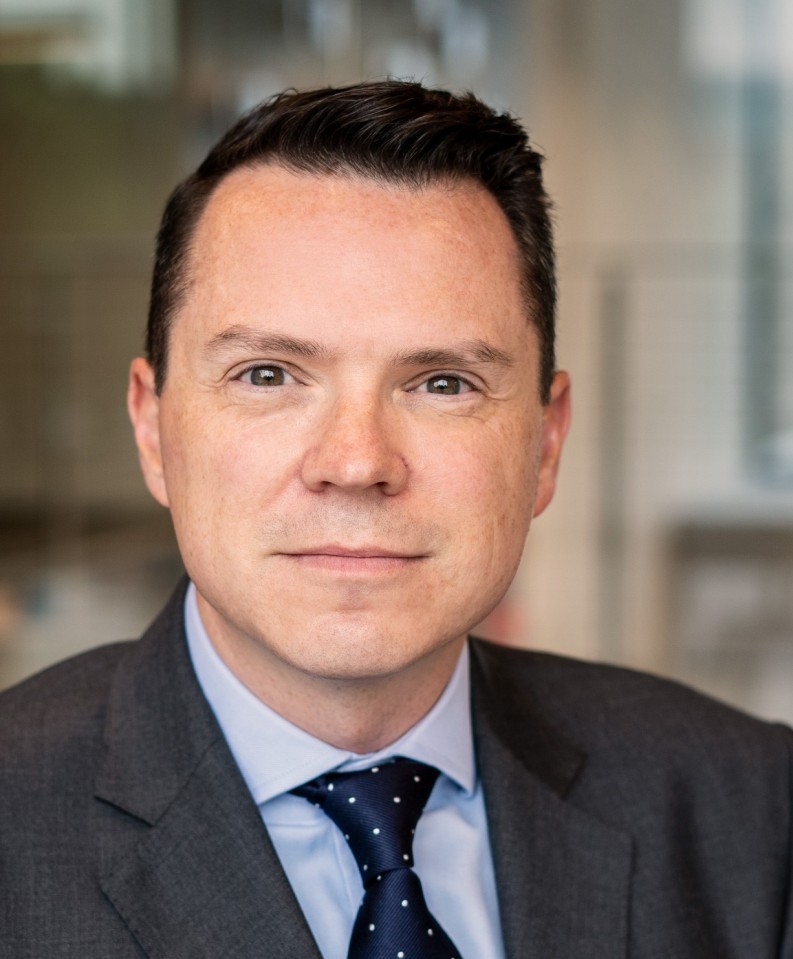
Aaron J. Mann
Principal, General Counsel-Risk Management

Hard Conversations – An Ethics Case Study in the Destructive Power of Conflict Avoidance and the Redemptive Power of Honesty
It began with a nervous call from our client. They suspected that a letter (on state letterhead) that our consultant provided may have been a forgery. And they were right. Thus began a year-long journey into the mind and work product of a former employee who was willing to do nearly anything to avoid confrontation—on this and other projects.
In the spirit of open collaboration, we will share an actual incident and response to demonstrate how conflict avoidance can damage the trust placed in your organization—and how transparent honesty can rebuild that trust. We will take the audience through the initial event, our internal investigation, and our discussions with regulators and clients.
While we will highlight the pressures and dangers of conflict avoidance, we will also provide tools to manage responses to similar crises. While the process was painful, by being honest and transparent, we were able to demonstrate that the actions did not reflect the culture of Terracon and we emerged with stronger client and regulator relationships than before the incident.
Speaker Bios
Mike Yost is a Senior Vice President at Terracon and serves as the Chief Legal Officer and Corporate Secretary. Mike has helped Terracon navigate legal issues for the past 20 years, during which time the company has had significant growth. In addition to managing Terracon’s growing Legal Department, Mike oversees the company’s ethics program. He is deeply involved in internal ethics training and compliance initiatives at Terracon.
Mike is involved in a number of professional organizations including the Geoprofessional Business Association and the American Council of Engineering Companies. Prior to joining Terracon in 2003, Mike served as a prosecutor in Missouri. He earned his J.D. in 1995 from the University of Missouri-Kansas City School of Law.
Aaron Mann is a Principal with Terracon Consultants and serves as their General Counsel overseeing risk management and litigation. He has been practicing law for two decades with a focus on resolving business disputes. Aaron regularly manages outside counsel acting on behalf of the company and works internally to troubleshoot project issues and avoid disputes before they escalate. He also handles internal investigations and helps implement Terracon’s ethics program. He is a frequent presenter at past events hosted by ACEC, ACI, AIA, ASCE, GBA, NSPE, and others.
Prior to joining Terracon in early 2016, Aaron was a partner at Husch Blackwell, an AmLaw 100 law firm, where his practice focused on commercial and cross-border litigation. During his time with Husch Blackwell, Aaron spent four years working in the firm’s office in London, England. Aaron began his career serving as a judicial clerk for a U.S. District Judge in Kansas City, Missouri. Aaron earned his J.D. from Creighton University School of Law in 2001.
Richard Szecsy, Ph.D., PE, FACI
Director of Technical Services and Quality 
Lions, Tigers, and Bears: Real World Strategies and Solutions to dealing with the Unprecedented Problems for the past Two Years.
Since Jan of 2021, the concrete construction industry has been through more changes and challenges than we have seen in the past 30 years. These issues range from labor and material shortages, cyber-attacks, pandemic health crisis, and government shutdowns and mandates. Each of these are difficult enough, but to occur simultaneously, is even more difficult. As part of this, there are several solutions and strategies that have arisen from each of these can are specifically applicable to the concrete construction industry and how to deal with the next time a crisis arises. This session will highlight direct case examples, strategies for dealing with, and lessons learned from the following: labor and material shortages, cyber-attacks, pandemic health crisis, and government shutdowns and mandates by an industry executive that was responsible for managing every one of these issues.
Speaker Bio
Richard S. Szecsy, PhD., PE, FACI has worked internationally as a technical expert and business development director for a $4B ready mix and aggregate company, a Department Head at a university, a Vice President and Board member for one of the largest privately held ready-mix concrete and aggregate companies in the US, President & CEO of the largest state aggregate and concrete trade association in the US, COO of one of the largest privately held ready-mix companies in North Texas, and is the current Executive Vice President of Alamo Concrete Products. He served on several state and national committees as well as Boards of Direction for ASTM, ACI, ASCE, NRMCA, and TACA, and was named a 2021 Distinguished Alumni for Texas A&M University Department of Civil Engineering.
He is widely recognized as a national expert in the areas of concrete technologies, recycled materials, concrete construction, and concrete sustainability and resiliency, and in 2014 was named one of the most Influential People in the concrete industry by Concrete Producer magazine.
He has an enormous depth and breadth of experience on operational issues such as mergers & acquisitions, corporate integrations, cost controls, safety, environmental, quality control, engineering, plant design and layout, pricing and marketing strategies, financial assessment, and analysis.
He has a B.S. and M.S. in Civil Engineering from Texas A&M University, a Ph.D. in Civil Engineering from the University of Illinois, and an MBA from Our Lady of the Lake University, and is a registered professional engineer in Texas, Oklahoma, Louisiana, Arkansas, Arizona, Colorado, North Carolina, Tennessee, and Illinois.
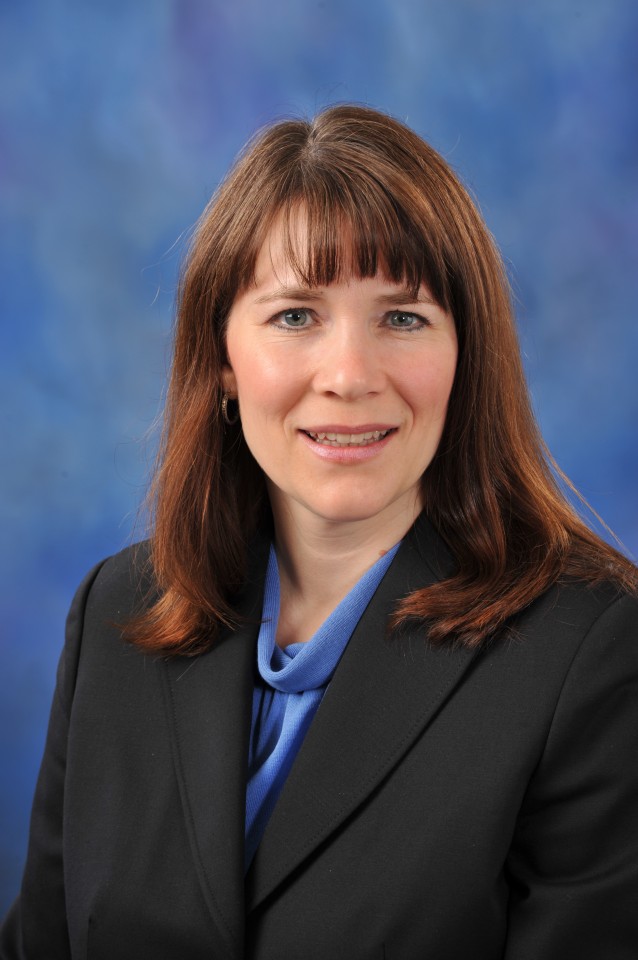
Mary Beth Hueste, Ph.D., PE, FACI
Professor, Zachry Department of Civil and Environmental Engineering
Texas A&M University
Development and Application of Nonproprietary UHPC Mixtures for Pretensioned Bridge Girders
The advanced properties of ultra-high performance concrete (UHPC) make it attractive for application to precast, pretensioned bridge girders. An analytical feasibility study identified potential increases in span length that can be achieved using UHPC bridge girders when compared to conventional pretensioned concrete bridge girders. The superior mechanical properties can be used to maintain span lengths comparable to conventional pretensioned concrete bridge girders with a reduced number of girder lines. However, there are several challenges that have slowed the use of UHPC in the precast industry, such as the high cost of available proprietary UHPC mixtures in the market, slower production due to longer curing times, and limited structural design guidance.
To address these concerns, nonproprietary UHPC mixtures were designed to meet target strengths of 13-14 ksi at release and 18-20 ksi at service without heat treatment while retaining current production practices such as a curing time and use of materials available to the Texas precast industry. The developed UHPC mixtures were tested to determine a range of fresh and hardened properties, and to assess durability. One of the developed nonproprietary UHPC mixtures was selected for production at a Texas precast plant and achieved sufficient workability for multiple placements of UHPC with a compressive strength greater than 14 ksi within 21 hours and 18 ksi at 28 days. In addition, the evaluation for durability showed superior performance with a predicted service life greater than 150 years. Full-scale UHPC bridge girders were fabricated at a Texas precast plant and tested in the laboratory to evaluate flexure and shear performance. The girder specimens were topped with cast-in-place conventional concrete deck slabs to represent typical bridge girders in the field. The experimental program for each girder specimen included four-point bending tests in flexure, along with additional testing of the shear behavior at the girder ends. It was found that the behavior of the specimens in flexure and shear were directly impacted by the fiber distribution and tensile strength of the UHPC used in the girder specimens. In addition, the depth of the girders, the number of prestressing strands, and presence of harped prestressing tendons influenced the performance of the full-scale girder specimens under flexure and shear loading. Based on a comparison of the experimental testing results with the analytical predictions, it was concluded that the behavior of the UHPC girder specimens can be closely predicted using the selected nonlinear material models that are informed by measured material properties. This presentation describes the overall research program and provides specific findings with respect to the development and application of nonproprietary UHPC mixtures to precast, pretensioned bridge girders along with the full-scale flexure and shear tests of the fabricated UHPC girder specimens.
Speaker Bio
Mary Beth Hueste is a Professor in the Zachry Dept of Civil and Env. Eng at TAMU. She is a Fellow of the ACI, and is Voting Member of ACI TAC, ACI 318, ACI 318-E, ACI Subcommittee 318-J, ACI-ASCE 352, and ACI 374. Hueste has promoted the use and advancement of concrete in research focused on earthquake resistant design of RC structures, performance-based seismic design, design and evaluation of prestressed concrete bridge structures, and assessment of aging infrastructure.
Kerry Kreitman, Ph.D., PE
Structural Engineer

Lessons from a Catastrophe: Champlain Towers
The collapse of the 40-year-old Champlain Towers South condominium building in June 2021 sparked discussion and reflection within the structural engineering community and beyond of how we design, construct, maintain, assess, and repair our structures.
Prior to the $1 billion settlement that finalized the litigation related to the collapse in June 2022, Pivot was retained by an involved party to evaluate the collapse. Our investigation included reviewing available project drawings and records, tracking site photographs and video footage, performing structural analysis and design reviews, and visiting the collapse site for observation and testing.
As with most structural catastrophes, preliminary findings from investigations to date point to several likely factors that combined to cause the collapse. This presentation will discuss the various collapse theories considered and potential contributing factors, including design and construction deficiencies, corrosion, overloading, and geotechnical issues. The impact of this collapse on the design, maintenance, and assessment industries will also be explored.
Speaker Bio
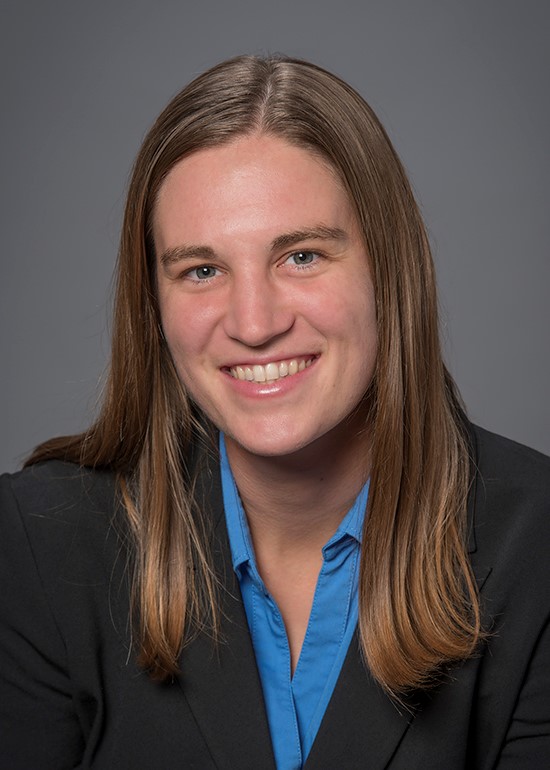
Kerry Kreitman, Ph.D., PE is a structural engineer with Pivot Engineers in Austin and is an active member of AISC and SSRC. Her professional experience includes investigations of structural failures, condition assessments, nondestructive testing and structural load testing for buildings, bridges, and other infrastructure constructed with steel, concrete, and aluminum.
